Lighting plays a crucial role in influencing mood, psychology, and the body’s natural circadian rhythm. Bright, cool-toned lighting like daylight boosts alertness, concentration, and productivity, making it ideal for workplaces and study areas.
In contrast, warm, dim lighting promotes relaxation and comfort, helping to reduce stress and prepare the body for sleep. Exposure to blue light at night, commonly emitted by screens and some LED bulbs can disrupt melatonin production leading to sleep disturbances and fatigue. Smart lighting solutions that adjust brightness and colour temperature throughout the day can enhance well-being and support a healthier sleep cycle and even alleviate symptoms of Seasonal Affective Disorder (SAD). By optimising lighting conditions, we can create environments that foster focus, relaxation, or rejuvenation depending on our needs.
Poorly heated homes lead to significant financial burdens on the NHS, with costs running into billions of pounds. Excess cold alone costs the NHS over £5 billion, while damp, mould, and CO poisoning add hundreds of millions in healthcare expenses. Mental health conditions linked to cold homes cost more than physical conditions, highlighting the urgent need for better heating solutions.
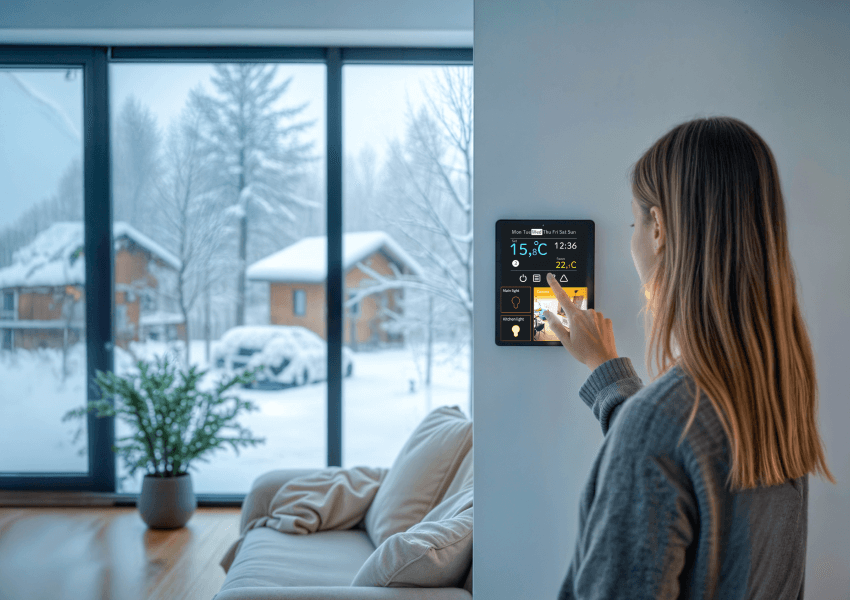
The optimal indoor temperature for healthy individuals is 18°C to 21°C, but vulnerable groups may require even more precise control. At Zixo Homes, we integrate smart heating systems, underfloor heating, and AI-powered climate control to maintain consistent, healthy temperatures while reducing energy costs. Energy-efficient heating solutions improve air quality, reduce damp and mould, and enhance overall comfort, leading to better physical health, improved sleep, and greater mental well-being. Our smart temperature control systems ensure your home is always at the perfect temperature, adapting to your lifestyle while making your living space safer, healthier, and more energy efficient.
We integrate smart humidity control systems to maintain balanced moisture levels, reducing the risk of damp-related illnesses while ensuring a healthier, more comfortable indoor environment. By automatically adjusting humidity, our systems enhance air quality, respiratory health, and overall well-being.
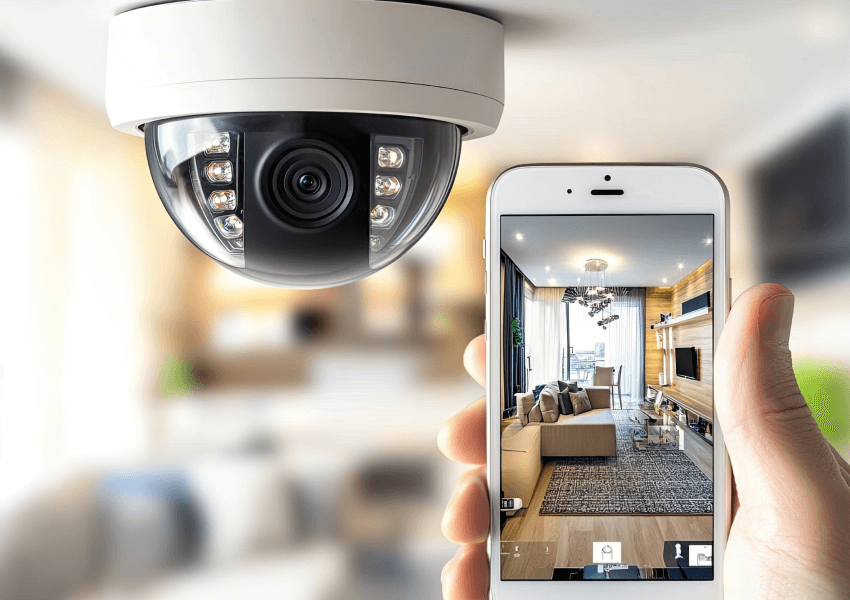
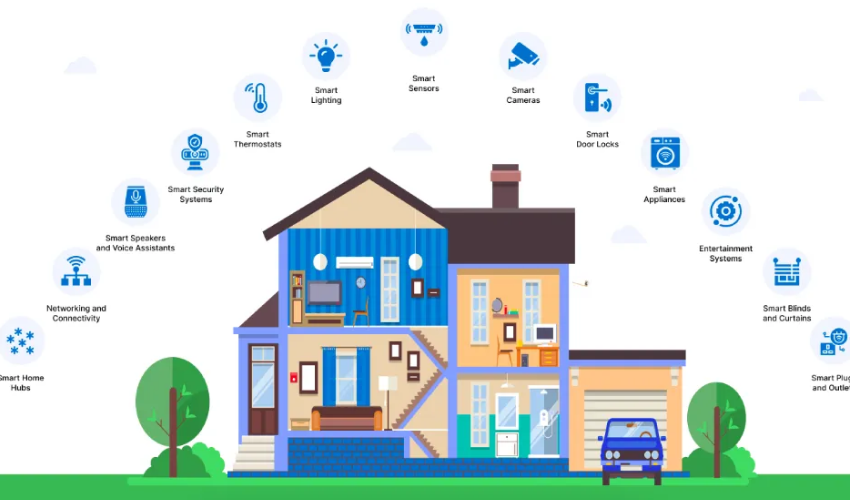
Smart security systems have transformed home safety by offering advanced protection, real-time monitoring, and seamless automation. Unlike traditional security setups, modern smart systems integrate AI-driven technology, remote access, and automation to provide round-the-clock security. With features like smartphone alerts, live video feeds, and automated responses, homeowners can monitor their property from anywhere in the world. These systems not only deter intruders and provide instant alerts for suspicious activity but can also integrate with emergency services for a rapid response. By using AI and smart analytics, they can distinguish between routine household activity and potential threats, reducing false alarms while ensuring enhanced safety and peace of mind. Additionally, smart security integrates with other home automation features, such as lighting and energy controls, creating a fully connected, automated living environment.
Key smart security features include biometric access control, which eliminates traditional keys by using fingerprint, facial recognition, or iris scanning to grant entry only to authorized individuals. Motion and presence sensors detect movement and occupancy, triggering automated security responses such as activating alarms, lights, and video recording. Smart surveillance cameras with AI-powered facial recognition can identify known visitors while alerting homeowners to unfamiliar faces, providing an extra layer of security. Smart doorbells with video intercoms allow real-time communication with visitors, even when homeowners are away. Additionally, automated security systems can simulate occupancy by adjusting lights and appliances, deterring potential intruders.